7 min read · updated 2026-04-12
Multigenerational living and the quiet rise of the ADU
Why ADUs have become the dominant housing format for multigenerational families in California — the AARP data, the design choices, and the LA-specific patterns we see.
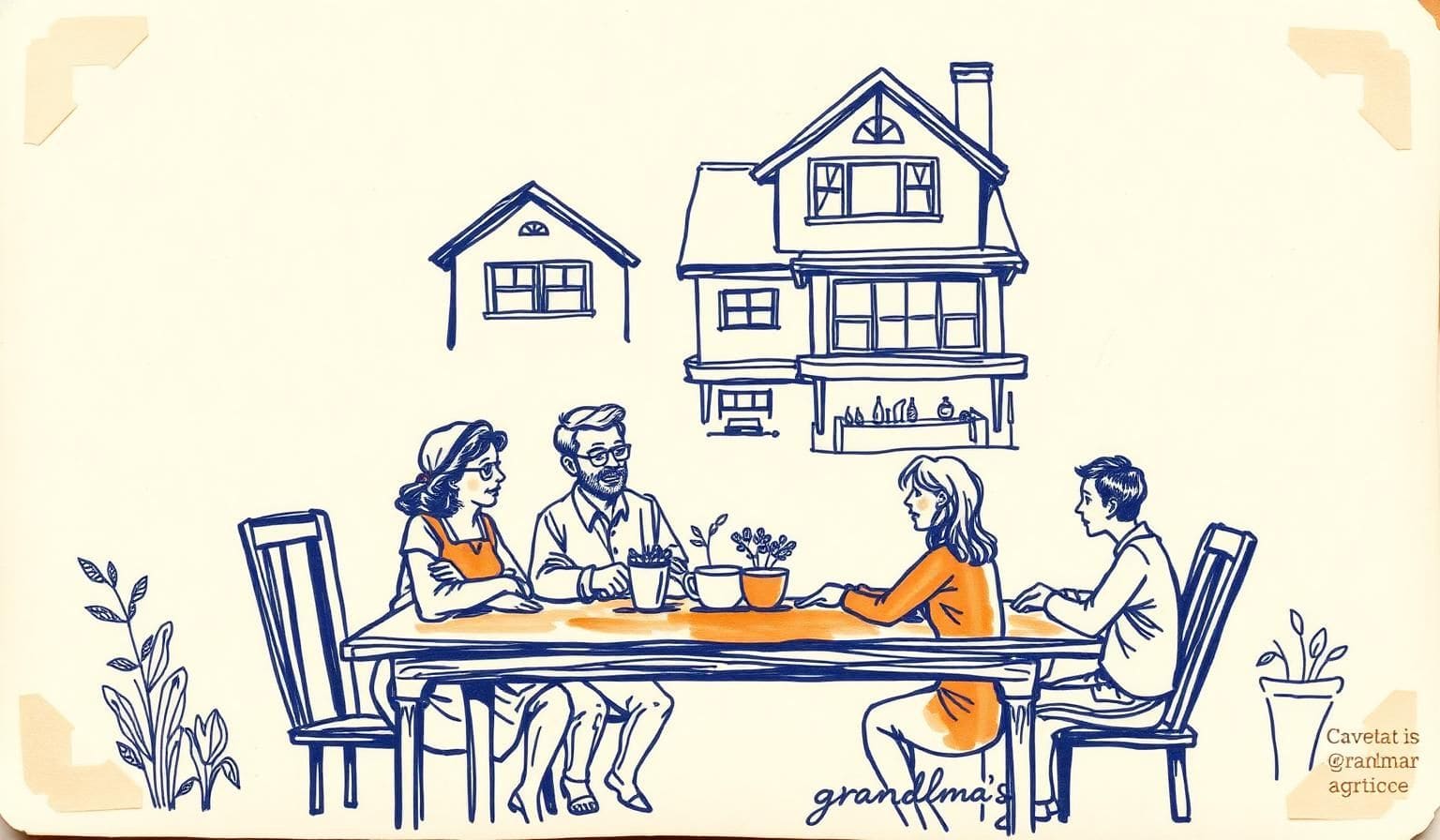
What 'multigenerational' actually means in 2026
Pew Research's most recent multigenerational household analysis put the share of US adults in multigenerational households at 26% — the highest in over fifty years Pew Research — multigenerational household trends. The Joint Center for Housing Studies at Harvard tracks the same trend in its housing reports Harvard JCHS — State of the Nation's Housing.
In Los Angeles specifically, the share is materially higher. Census ACS microdata shows LA County consistently 5–8 points above the national average U.S. Census ACS data, driven by family structure, immigration history, and the city's housing-cost reality.
Why ADUs fit the multigen pattern
AARP's research on aging in place is the definitive source on why a separate-but-connected unit works so well for multigenerational families: independence with proximity, privacy with safety, autonomy with backup AARP ADU resource center. AARP also publishes design guides for accessible small-footprint units AARP Livable Communities — housing.
The NYT covered the broader cultural shift in detail NYT Real Estate — multigenerational coverage, and the LA Times has tracked the LA-specific multigen housing pattern LA Times — multigen housing coverage.
Design choices that matter most
Single-floor layouts with no thresholds. A 36-inch front door and 32-inch interior doors. A curbless shower with blocking pre-installed for grab bars. A bedroom with a closet large enough for a wheelchair turning radius. Lever handles instead of round knobs. None of these add meaningful cost during construction; all of them are expensive to retrofit.
Dwell has published useful case studies on universal-design ADUs in LA Dwell — universal-design ADU case studies and Fine Homebuilding has good technical coverage on the construction details Fine Homebuilding — accessibility detailing.
The quiet financial logic
If a multigenerational family pools resources, an ADU at $450,000 financed against the main home substitutes for $2,500–$3,500/mo of independent rent or assisted-living cost for an aging parent. Over a 10-year hold, that's $300,000–$420,000 of avoided cost — separate from any value the unit adds to the property at resale.
Curbed LA has documented this pattern in neighborhood reporting Curbed LA — multigen neighborhood reporting.
Frequently asked
- Can my parent live in the ADU rent-free?
- Yes — there's no requirement that an ADU be rented. Many LA families build specifically for family use, with no rental ever planned.
- Should I build a JADU or a detached ADU for an aging parent?
- Detached, almost always. JADUs share interior connections to the main house and don't offer the privacy or independence that aging-in-place benefits from.
- Will building for family use limit future flexibility?
- If you build to universal-design standards (single-floor, accessible shower, wide doors), the unit works equally well as a future rental. Don't over-customize for any one resident.
- Where can I read more on ADU lifestyle after "Multigenerational living and the quiet rise of the ADU"?
- The pillar hub is the field journal — filter by the ADU lifestyle pillar. Definitions of the terms in this post live in the glossary.
- How does "Multigenerational living and the quiet rise of the ADU" translate to a real California project?
- See completed builds on the projects index, the full design-build sequence on the process page, and pricing bands in the 2026 California cost report.
- Which Alpha Dream studio covers my area for "Multigenerational living and the quiet rise of the ADU"?
- Los Angeles studio for LA, Orange, Inland Empire, and Ventura. Bay Area studio for SF, Peninsula, East Bay, South Bay, and North Bay.
- What's the fastest path from "Multigenerational living and the quiet rise of the ADU" to a quote?
- Run the ADU cost calculator for a band, then book a discovery call. We don't quote sight-unseen.
- Are the numbers in "Multigenerational living and the quiet rise of the ADU" verified against real bids?
- Yes — we publish from closed bids, not market averages. The full methodology is in the 2026 California cost report.
- Which California city does "Multigenerational living and the quiet rise of the ADU" apply best to?
- The post calls out its primary city; statewide context is on the locations index.
- Can I share "Multigenerational living and the quiet rise of the ADU" with my architect or designer?
- Yes — public content, attributable to Alpha Dream Construction. Pair it with the relevant field guides when you share.
- Does "Multigenerational living and the quiet rise of the ADU" replace a conversation with a contractor?
- No — it informs one. Book a discovery call to apply the post to your specific lot.
- Where do I find more posts on the same pillar as "Multigenerational living and the quiet rise of the ADU"?
- Filter by pillar on the field journal index. The topic clusters view groups posts with their related guides and city pages.
- Has the law changed since "Multigenerational living and the quiet rise of the ADU" was published?
- California ADU and remodel law shifts every session. Material changes get a new post on the journal; definitions update in the glossary.
- What's the related cost benchmark for "Multigenerational living and the quiet rise of the ADU"?
- See the 2026 cost report for city-by-city bands and the ADU cost calculator for an instant band.
- Can I cite "Multigenerational living and the quiet rise of the ADU" in a permit appeal or HOA letter?
- Yes — pair with the underlying statute. The permit directory links those sources.
Sources we cited
- 1.Pew Research — multigenerational household trends — Pew Research Center
- 2.Harvard JCHS — State of the Nation's Housing — Harvard JCHS
- 3.U.S. Census ACS data — U.S. Census Bureau
- 4.AARP ADU resource center — AARP
- 5.AARP Livable Communities — housing — AARP
- 6.NYT Real Estate — multigenerational coverage — The New York Times
- 7.LA Times — multigen housing coverage — Los Angeles Times
- 8.Dwell — universal-design ADU case studies — Dwell
- 9.Fine Homebuilding — accessibility detailing — Fine Homebuilding
- 10.Curbed LA — multigen neighborhood reporting — Curbed Los Angeles
Related areas
Neighborhood guides that pair with this article — local code, lot patterns, and what we've actually built nearby.
San Gabriel Valley — ADU FAQ →
Local rules, costs, and project notes for San Gabriel Valley.
Area overview →San Fernando Valley — ADU FAQ →
Local rules, costs, and project notes for San Fernando Valley.
Area overview →Eastside / NELA — ADU FAQ →
Local rules, costs, and project notes for Eastside / NELA.
Area overview →Orange County — ADU FAQ →
Local rules, costs, and project notes for Orange County.
Area overview →Inland Empire — ADU FAQ →
Local rules, costs, and project notes for Inland Empire.
Area overview →